
What are the key SEO trends for 2024? The strategies that worked years or even months ago might not be effective today due to continual updates and shifts in the industry’s best practices.
Today, we’ll review some key factors that should be included in your SEO strategy in 2024.
How to Build Topical Authority
Topical authority is a hot topic for SEOs nowadays. But what does it mean?
Building topical authority means becoming a go-to resource for a specific topic. It involves creating comprehensive, high-quality content that covers a topic extensively. When you establish topical authority, search engines will rank your site higher.
Topical authority is similar to a content silo, or simply a silo, which is a method of grouping related content to improve keyword ranking and value for consumers searching for a specific topic.
So, taking the example of farming, instead of writing one article on farming techniques, you’d write many articles on topics such as crop rotation, terrace farming, agroforestry, permaculture, etc.
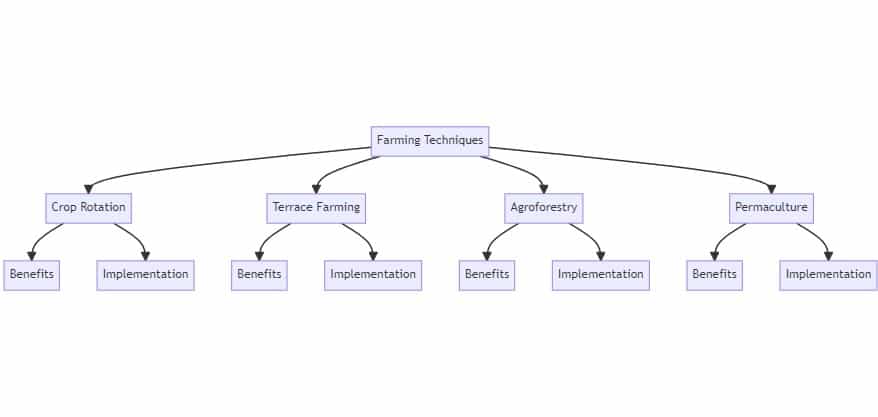
The difference between topical authority and a silo is that topical authority includes SEO methods such as intersite linking, backlinks, outgoing links, and EAT.
EAT and YMYL
Understanding EAT
EAT stands for Expertise, Authoritativeness, and Trustworthiness, and it has become an indispensable part of SEO. Google uses these parameters to assess the credibility of a website or a webpage, thus affecting its rankings.
To establish E-A-T, the content should be created by qualified individuals or organizations in the field, cite reputable sources, and maintain an up-to-date and factual presentation of information. Further, it’s important to have clear website policies, secure site protocols (HTTPS), and positive user engagement to ensure trustworthiness.
Importance of YMYL
Your Money or Your Life (YMYL) pages could affect a person’s future happiness, health, safety, or financial stability. Google applies stricter standards for these pages because they impact users’ lives more. Hence, ensuring EAT principles are met is crucial for YMYL pages.
Some specific examples of these types of sites are financial, medical, and legal information.
Enhancing SEO with Unique Images
Image SEO is often overlooked but can drive significant traffic to your site. With new AI tools that let users create never-before-seen images, creating unique images’s easier than ever.
Let’s look at some ways that unique images help with your site SEO:
Image Search: Unique images can rank in image search results, driving additional traffic to your site. When properly optimized (i.e., with relevant file names, alt text, and surrounding context), they can make your site more discoverable.
Link Building: If your unique image is valuable or appealing (like an infographic, chart, or original photograph), other sites may link to it, naturally increasing your backlinks and boosting your site’s authority.
Page Quality: Google’s Quality Rater Guidelines indicate that original content, including original images, is a marker of a high-quality page.
So, before picking a stock photo for your page or article, remember that using your own photo can be great for your website’s SEO. Even if it doesn’t look 100% like a stock photo, that’s okay!
Role of Featured Snippets
Featured snippets, or “zero-click searches,” are selected search results displayed in a box on top of Google’s search results. They play a vital role in SEO as they have the potential to generate significant organic traffic. Optimizing for these can help you win that coveted “position zero.”
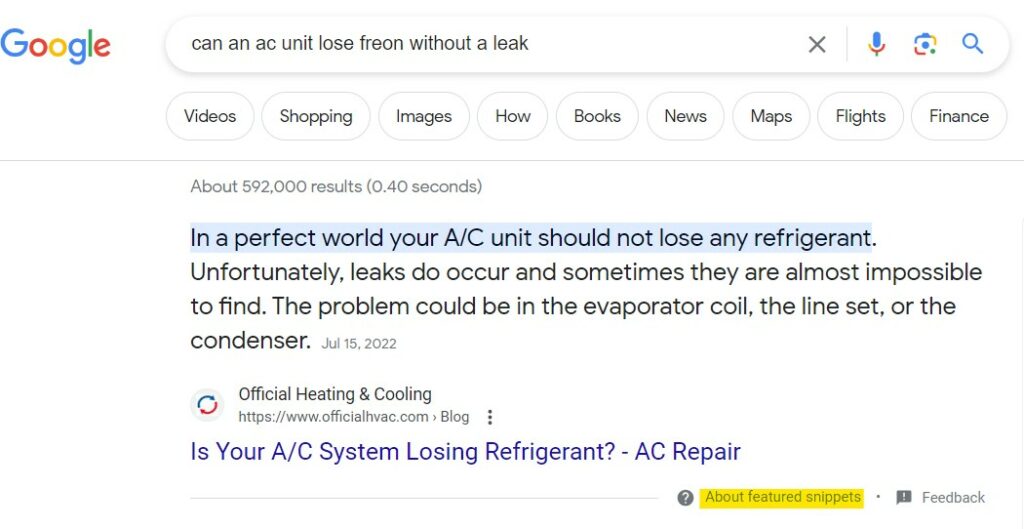
One of the sites we’ve done work on, Official Heating & Cooling, is featured in a featured snippet: “Can an AC unit lose freon without a leak?”
The more featured snippets your site can get, the better it is for traffic and rankings.
Video SEO
Benefits of Video SEO
Video SEO has seen a surge in popularity, and for a good reason. Videos can be a fantastic way to engage users, increase dwell time, and provide valuable content.
Plus, Google prioritizes video content in search results, especially for how-to queries.
Tips for Effective Video SEO
Effective video SEO goes beyond just uploading videos. It involves optimizing your video titles, descriptions, and tags with relevant keywords, providing transcripts, and embedding videos on your website.
Adapting to Algorithm Changes
Google’s algorithm changes, or “core updates,” often feel like a minefield. However, staying adaptable, focusing on what Google says in the updates, and providing a great user experience can help your website weather any algorithm storm.
The most recent core updates were in February and March of 2024. These updates rewarded sites with great content focusing on consumers and product reviews.
However, these updates were not good for websites with content created solely for the purposes of ranking on Google without considering the customer.
Modern Strategies for Keyword Research
Keyword research in 2024 goes beyond finding high-volume terms. It involves understanding the search intent, finding long-tail keywords, and utilizing the semantic search.
Remember, good keyword research is like a compass for your SEO strategy – it shows you the direction to travel.
For keyword-finding tools and more information, please check out our article on finding great long-tail keywords.
The Power of Long-Form Content
Long-form content, typically over 1000 words, reigns supreme in 2024. Such content ranks higher in search engines as it offers more value and increases the user’s time spent on your site.
Time spent on a website, or “user engagement,” is a metric that Google uses to rank websites. Long-form content goes hand-in-hand with topical authority, striving to cover a topic completely and providing as much value as possible.
Crafting Effective Meta Titles and Descriptions
Meta titles and descriptions may not directly influence rankings, but they affect the click-through rate (CTR). An engaging meta title and description can entice users to click on your link, increasing website traffic.
It’s important to keep your titles and descriptions within the length guidelines. Otherwise, Google will cut off the end of the title or description, making it less likely to be clicked on.
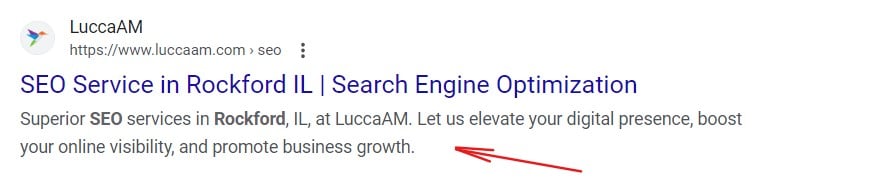
Here is a great tool to check your meta titles and description length.
The Importance of Local SEO
Maximizing Local SEO Strategies
Local SEO is crucial for businesses that operate on a local level. It involves optimizing your online presence to attract more business from relevant local searches.
You can maximize your Local SEO strategies by optimizing your Google Business Profile listing, garnering positive customer reviews, and using local keywords.
Here is a great article that explains local SEO tactics for greater visibility online.
The Role of Search Intent in SEO
How to Cater to Search Intent
Catering to search intent means understanding why a user is conducting a particular search. In 2024, matching your content with search intent is crucial for higher rankings.
Are users looking for information on a specific website, or do they intend to make a purchase?
Answering these questions can help you create content that fulfills the user’s intent and increase site engagement.
Link Building in 2024
Effective Link-Building Strategies
Link building continues to be an essential part of SEO. It involves getting other websites to link to yours, boosting your site’s credibility, and increasing its visibility on search engines. Effective link-building strategies include guest blogging, creating high-quality content, link trading, and contacting relevant websites for backlinks.
Structured Data Markup
Leveraging Structured Data Markup
Structured Data Markup helps search engines understand your site’s content, which can contribute to higher visibility and improved CTR. Google provides great documentation to see what the various rich snippets will look like if Structured Data Markup is used correctly.
Adding this to your SEO strategy can help your site appear with rich snippets (more information added to your SERP result), thereby increasing your site’s appeal to the SERPs.
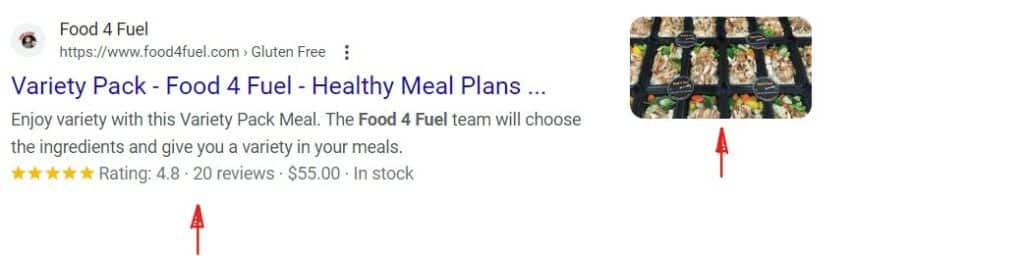
Read more about rich snippets in the FAQ section at the end of this article.
Conclusion
SEO in 2024 is a dynamic, multifaceted field that continues to evolve. From Core Web Vitals to Structured Data Markup, several trends are shaping the landscape of SEO. By staying on top of these trends and implementing effective strategies, you can improve your site’s visibility and stay ahead in the digital race.
But remember, SEO isn’t just about pleasing search engines; at its core, it’s about delivering users a satisfying and valuable experience.
FAQs
What is a rich snippet?
Typical search results display a web page’s title, URL, and a small description. Rich snippets, on the other hand, provide more detailed information, depending on the page’s content. For example, rich snippets for recipes might display a photo of the dish, a rating, cooking time, and calorie count.
What is EAT in SEO?
EAT stands for Expertise, Authoritativeness, and Trustworthiness. Google uses these parameters to assess the credibility of a website or a webpage.
How can I improve my Local SEO?
Optimizing your Google Business Profile, garnering positive customer reviews, and using local keywords can improve your local SEO.

- SEO Health Check: Ensuring Your Website’s Optimal Performance - July 16, 2024
- SEO for WordPress Websites: The Essentials - June 28, 2024
- SEO for New Websites: A Quick Start Guide - June 19, 2024